
August 07, 2026

6 min read
Homeownership without a big down payment: Real stories from Philadelphia buyers
Programs many buyers don’t know exist helped three families find their first home.
For many first-time homebuyers, the biggest barrier to owning a home isn’t always income — it’s knowing what’s actually possible.
In Philadelphia, three families found a path forward by tapping into homebuyer programs, personalized guidance, and resources they hadn’t known existed. That support helped Shelly Ebron, Ennys Pavon, and the Karapiti family turn long-held goals into real opportunities.
Like many prospective buyers, they were navigating a complex process, from understanding financing options to determining what they could realistically afford.
What made the difference wasn’t just financial assistance. It was access to clear, personalized guidance that helped them move forward with confidence.
At 28, Pavon was raising her son while navigating cultural, language, and technology challenges that made the homebuying process feel complex and out of reach. She felt affordability was an even bigger obstacle and wasn’t sure whether she could save enough money for a down payment or qualify for a mortgage.
“I thought it would take years to save enough for a down payment,” she said, “because I didn’t understand how everything worked.”
Learn about homebuying programs.
Everything changed when she connected with Gustavo (Gus) Laserna, a Community Mortgage Consultant for Wells Fargo Home Mortgage, who worked with her to break down the homebuying process in plain language, including in Spanish when needed. That guidance helped her build confidence in a process that once felt intimidating.
Through a combination of the NeighborhoodLIFT® program, support from the Philadelphia Housing Development Corporation, a Wells Fargo Homebuyer Access Grant, and the Dream. Plan. Home.℠ closing cost credit1, Pavon received $40,000 in total assistance. The guidance and financial support accelerated her timeline and helped her realize that buying a home was within her reach.
“I didn‘t know these programs existed,” she said. “When I found out, it gave me hope. I cried. It was joy, relief, and pride all at once. I felt like I was giving my son something permanent.”
Ebron’s turning point came after she and her son moved back into her parents’ home. It was meant to be temporary and quickly became crowded, with the family sharing a three-bedroom house.
“There was a lot of noise and chaos,” she said. “But it pushed me to want something for me and my son.”
She did some online research, completed homebuyer education courses, and tried to understand what it would take to qualify.
But the deeper she got into the process, the harder it seemed. Aspects of the process, like documenting income, explaining cash transfers, and navigating underwriting requirements, left her frustrated.
“There were moments when I thought maybe I should just wait another year,” she said. “I was close to giving up.”
Steady encouragement from the people supporting her along the way, including her realtor and Laserna, helped keep her moving forward.
“They kept telling me, ‘You’re almost there,’” she said. “That really made a difference. They helped me understand all these complicated terms and numbers and said, ‘Let’s just take it step-by-step.’”
The Karapiti family was searching for a home in their Philadelphia neighborhood — and, like Ebron and Pavon, a place for their son to grow up. But the rising prices of homes proved discouraging.
“We’ve found that many people don’t realize these programs exist or that they’re accessible not just in Philadelphia, but in communities across the country, especially in low- to moderate-income areas,” said Laserna. The Karapiti family’s experience reflects a broader trend Laserna sees across his work: Many qualified buyers are unaware of programs designed to support them.
Common misconceptions about buying a home
The misconceptions each of these homebuyers worked through are common and often prevent people from exploring options that could help them move forward. For 30 years, Chuck Bishop, Head of Customer Growth Segments, has educated communities about what’s true and what’s not when it comes to purchasing a home. To meet people where they are, he started making appearances on podcasts in large markets across the country. And that’s how the “Chuck’s Corner” podcast was born.
A segment of the podcast (video; 29:42) featured representatives from the National Foundation for Credit Counseling and certified housing counselors from the Department of Housing and Urban Development (HUD).
Here are a few tips from Bishop if you’re planning to purchase a home.
- You don’t need perfect credit. “Lenders review your full financial picture, not just your score,” he said. “Some programs even allow rent, utility, or mobile phone payments to count as credit history.”
- You don’t need a high income. “Financing programs exist across a wide range of income levels, and housing counselors can help you identify which ones fit your situation.”
- The process doesn’t have to be overwhelming. “The right mortgage consultant will walk you through each step, explain the terms in plain language, and help you understand exactly what to expect.”
“The biggest obstacle I see out there is knowledge,” said Bishop. “Arm yourself with it, make a plan, and you can often find a house that fits most of your wants and needs.”
After consultations with Laserna and their realtor, the Karapiti family kept waiting for the catch or the fine print that would turn their down payment assistance dream into a nightmare. It never came.
“The Philadelphia Housing Development Corporation’s Philly First Home Program, which was administered by AHCOPA (Affordable Housing Centers of Pennsylvania), gave us $10,000 in assistance,” the family said. “We kept asking ourselves, ‘Who really gives away money like this for free?’ It almost seemed too good to be true. We completed a four-hour class and a one-on-one counseling session before we received the funds. Then our realtor spoke with Gustavo (Gus), and we found out we might qualify for the NeighborhoodLIFT program.”
In the end, the Karapiti family received $40,000 toward the down payment on the place they now call home.
“Getting that much to help us with the down payment felt like it would take a miracle,” the family said. “But sometimes miracles do happen.”
Laserna added: “Most of our clients can afford the monthly payments. But putting together the lump sum for a down payment is the real challenge. That’s where these programs make a difference.”
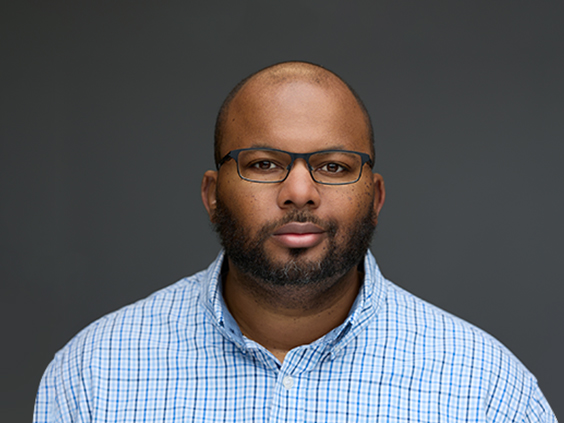
His manager now jokes that he’s become “Gus the grant guy,” a nickname he earned by leading Wells Fargo companywide in grant transactions in 2025.
“I could have gone in a different direction,” Laserna said. “But I really like the puzzle-solving piece of this, where you get people into a home, make a difference, and become part of their journey. That’s what it’s about.”
The programs’ effectiveness is the result of coordination between mortgage consultants like Laserna, lenders like Wells Fargo, nonprofit organizations, housing counselors, and real estate professionals.
For families, the impact is closer to home.
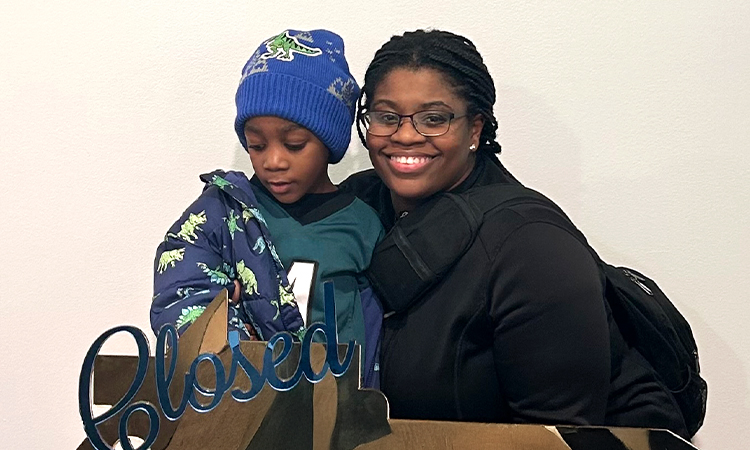
Before the furniture even arrived, Ebron let her son run loose through every empty room. They took pictures holding the keys and played together on the floor.
“We had to soak it all in,” she said.
Pavon bought the house right next door to her mother’s. It is a two-family house that will also generate income.
“It means security,” she said. “My son will grow up knowing we own something. This is part of building generational wealth.”

Programs are subject to eligibility requirements, geographic availability, household income limits, funding availability, property requirements, and other restrictions. Program terms may change without notice.

Equal Housing Lender