

May 19, 2026

7 min read
How to prevent elder fraud and financial abuse
Stay informed about scams and fraud to protect yourself and loved ones. A Wells Fargo Advisors gerontologist offers these expert tips for caregivers, family, and friends.

Key takeaways
- Current scams targeting older adults include imposter, grandparent, romance, gift card and refund, and cryptocurrency and investment.
- Warning signs of elder fraud include missed payments, strange new friends, and excessive spending.
- Ways older adults can protect themselves include authenticating communications, guarding personal information, being skeptical of caller ID and too-good-to-be-true deals, and pausing before acting.
- Caregivers can help safeguard loved ones by communicating often, monitoring accounts, watching for changes in behavior, and confirming estate documents.
A Wells Fargo Advisors financial advisor in Florida noticed that her older adult client was taking an unusual number of distributions from his IRA. When asked why, the client said that he was doing a major remodel. Suspicious, the financial advisor requested an in-person meeting with the client and his daughter, a trusted contact, to understand the activity. There, the client admitted that he was providing the distributions to his former daughter-in-law. After discussing further, the client agreed to give his daughter power of attorney. The financial advisor discovered additional distributions from other institutions, and then reported it to Adult Protective Services and to the police. The former daughter-in-law was arrested and criminal charges for financial elder abuse were filed.
Unfortunately, stories like this are not uncommon. In fact, Americans over the age of 60 reported $7.7 billion in total losses, up 59% from 2024 to the Federal Bureau of Investigation’s Internet Crime Complaint Center (PDF) in 2025. The average loss was $38,500.
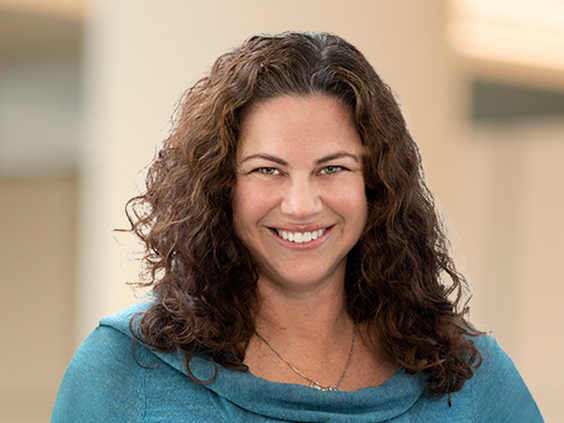
“The most challenging calls that we get in my office involve elder fraud,” said Rodnee Warr, a gerontologist and executive director of Wells Fargo Advisor’s Elder Client Initiatives team. “These scenarios are really heartbreaking because these scammers target a part of us that is human.”
[Video overview: Rodnee Warr, who leads the Elder Client Initiatives team for Wells Fargo, discusses why older adults are frequent targets of fraud, how AI is changing scam tactics and what people can do to respond safely. She also explains how regular family conversations, account alerts and trusted contacts can add protection before a problem occurs.]
[Rodnee Warr, Executive Director, Business Execution Senior Manager, Wells Fargo]
Scammers want you to act fast. Your best defense is to stay aware. Pause before you take any action.
Hi. My name is Rodnee Warr. I lead the Elder Client Initiatives team for Wells Fargo. I really want to talk to you about the concerns for older adults when it comes to fraud and scams.
[On-screen text: In 2025, older adults reported losing more than $7 billion to fraud and scams Source: FBI Internet Crime Complaint Center]
Last year alone, older adults reported losing $7 billion due to fraud and scams.
[On-screen text: A 60% increase from the year before Source: FBI Internet Crime Complaint Center]
That’s nearly a 60% increase in just one year.
Scammers often target older adults.
[On-screen text: Older adults are often targeted. May have access to more sources of money May be more trusting and be more likely to engage with strangers May have trouble recognizing types of scams and fraud]
Older adults may have access to more sources of money, like retirement accounts, savings and other funds. Older adults may be more trusting and have more time to engage with unexpected calls or texts.
[On-screen text: Artificial intelligence (AI) is super-charging scams and fraud.]
So, what’s really challenging? Artificial intelligence is challenging. It’s transforming the landscape of fraud and scams. AI-driven scams are becoming easier to create, allowing criminals to take familiar tactics and make them faster, more believable and harder to detect.
They can now create fake voices, fake imagery, fake videos and even real-time conversations to sound and look like someone you know or trust. So, you might hear a voice that sounds like a loved one, see a message, or get a call or text that looks official, and have conversations that feel completely real. But it’s not.
And while the technology is new, the goal is the same: to build trust, create urgency and pressure you to act as fast as you can. Ultimately, the goal is to steal your money and sometimes your personal information.
[On-screen text: Be aware of emerging scam types.]
So, what are we seeing in scams today? Some of the top scams we’re seeing are things like courier scams.
[On-screen text: Can you recognize a courier scam? The scammer creates a false narrative of urgency Victim is instructed to withdraw funds and make them available A “courier” picks up the funds or assets, and steals them]
Someone claims your money is at risk, and they may say that they’re from law enforcement or are a government official. They tell you to withdraw cash or buy gold. And in some cases, they’ll send someone in person to pick it up from your home.
[On-screen text: Card pickup or money transfer scam Scammers say they represent a bank or other trusted institution Instructions may include transferring money to another account or providing your card After the transfer, the scammer keeps your money]
Another type of scam that we see is card pickup or money transfer scams. These scammers impersonate a bank representative. They say your card or your account has been compromised. They may ask you to hand over your debit card, share your PIN, mail your card or allow someone to pick it up.
These things are prevalent today. There are different types of stories, but the goal is the same: to get your money as quickly as possible.
[On-screen text: Tips to consider: Wait and validate before taking action Don’t trust caller ID Urgency is a red flag Do not send money before verifying the recipient If you are uncertain, consult resources
Some tips that you may consider are:
One, wait and validate. Independently verify texts and emails. Hang up. Don’t even respond. Don’t answer the call unless you can verify the legitimacy of that number.
Tip number two: Don’t trust the caller ID. Scammers can spoof numbers to make them look legitimate.
Another idea to think about is that whenever there’s any level of urgency, there should be an immediate red flag. No legitimate bank, government agency or law enforcement will rush you to withdraw or transfer funds. Don’t trust it.
Number four: Don’t send money in any form to anyone you cannot verify.
Five, say something. That is really important. If something feels off or just not quite right, talk to someone you trust: a family member, a friend, a neighbor or, for sure, your financial institution.
[On-screen text: You have a role to play in preventing scams and fraud.]
You play a big role in having conversations, and normalizing conversations about scams is really important. Have conversations often. And not just conversations about, “Hey, Mom, what’s going on with your bank account?” That’s not the way to go about it, but to have conversations: “Hey, you know, I got a text the other day, and it was a scam, and I almost fell for it. I got this random email.”
I mean, making those kinds of conversations very normal so that others can feel comfortable sharing that kind of information with you.
[On-screen text: Monitor accounts & set up account alerts with your financial institution.]
You don’t want to wait for the problem to occur to start having a conversation about a person’s account. So, helping set up account alerts together whenever possible is really important.
[On-screen text: Designate a trusted contact whenever possible.]
Designating a trusted contact on the account and making sure that you’re able to follow up with these kinds of conversations is really important.
Taking these actions early really makes a difference because they add a protective measure for the older adult’s assets and for yourself.
[On-screen text: Wealth & Investment Management 9WIM) offers financial products and services through bank and brokerage affiliates of Wells Fargo & Company. Investment products and services are offered through Wells Fargo Advisors. Wells Fargo Advisors is a trade name used by Wells Fargo Clearing Services, LLC and Wells Fargo Advisors Financial Network, LLC, Members SIPC, separate registered broker-dealers and non-bank affiliates of Wells Fargo & Company. Bank products and services are available through Wells Fargo Bank, N.A. The source of the data shown are materials published by the Federal Bureau of Investigation Internet Crime Complaint Center. ©2026 Wells Fargo PM-01132028-5744408]
Scammers often use urgency and trust to target older adults. Rodnee Warr explains how artificial intelligence is making fraud harder to detect, outlines common scams and shares practical steps families can take to help protect their money and personal information. (04:38)
According to the U.S. Surgeon General’s 2023 study (PDF), loneliness is a serious issue in the country right now, and the highest rates of social isolation are found among older adults. “This opens the door for scammers,” Warr said.
If you see warning signs of vulnerability or abuse
Report it to the Federal Trade Commission and file an elder fraud complaint with the FBI.
To report fraud on a Wells Fargo account, contact us immediately.
Often scammers build a relationship with the older adult over time, calling them even several times a day. “We all want to feel connected. We want to be in community with others,” said Warr.
“Even when they discover that these individuals are actually criminals who are scamming them, it is very difficult to unwind, to disrupt and stop, because they have developed a relationship,” she said. “It can be truly devastating.”
With elder fraud on the rise (PDF), staying informed about the types of scams out there, knowing the warning signs, and preparing what to do and what not to do can keep you and your loved ones safe.
What are the current scams targeting seniors?
“Some of the scams we see in my line of business are imposter scams, romance scams, and cryptocurrency scams,” said Warr. Here’s what to look out for:
Imposter scams. Someone impersonating tech support companies, government agencies, insurance companies, and even financial institutions like Wells Fargo contacts you to pressure you to act right away. They can even masquerade on your caller ID as a legitimate source. You have the right to end communication with the person who contacted you so you can have time to do more research. Read How to spot imposter scams.
“Stay informed, stay vigilant, stay aware. This can be one of the best safeguards against financial exploitation.”
Grandparent scams. In this variation of an imposter scam, an urgent call comes in from someone posing as a grandchild or other loved one in distress requesting money via gift card, wire, or other method to help get them out of the situation.
Gift cards and refund scams. Scammers impersonate reputable companies or institutions, coercing you into purchasing gift cards for alleged debts or refund. Never provide gift card information as payment.
Romance scams. Individuals use social platforms to engage, which then leads to a phone call, conversation, and texting, all the while befriending them. The victim is typically “love bombed” with excessive flattery and praise, intense talks about a future together, and so on. After trust is gained, there is pressure to act immediately and send funds in a variety of ways for some destitute situation. Be cautious of sudden requests for financial assistance from new acquaintances.
Cryptocurrency and investment scams. Unfortunately, some scams can be a mixture of all the above. Scammers take their time to manipulate victims into making fraudulent investments, often promising “guaranteed” and “risk-free” substantial returns.
“If you meet someone on a dating site or app who wants to show you how to invest in crypto or asks you to send them crypto, that’s a scam,” said Warr. “Only scammers demand payment in cryptocurrency. No legitimate business is going to demand you send cryptocurrency in advance — not to buy something and not to protect your money. That’s always a scam.”
What are the warning signs for elder financial abuse?
If you’re looking out for a friend or family member, and notice changes in established personal and financial patterns, it could be a warning sign that they are being scammed.
Missing payments. They normally pay everything on time and are now late or forgetful of transactions they have conducted.
Strange new friends. They talk of individuals you don’t know, who may be acting as a gatekeeper.
Unusual spending. They’re using a new credit card more than they normally would, transferring assets, writing checks to cash, and more.
Changes to documents, phone numbers, or email addresses. They may have someone “managing” communications.
How can seniors protect themselves from getting scammed?
Don’t take the bait from scammers. Here are easy ways to stay aware and alert in case someone does approach you.
Authenticate communications. Verify any unexpected requests that come through email, phone call, and texts to confirm you’re speaking with a legitimate source.
Don’t trust caller ID. Scammers can “spoof” legitimate numbers by altering caller ID.
What’s the difference between fraud and scams?
Fraud is unauthorized activity from stolen information, such as a Social Security or credit card number, or filing a false tax return, without the victim’s knowledge or consent.
Scams trick people into authorizing a financial transaction or willingly supplying personal information, which makes it difficult to recover any money.
Guard your personal information. Don’t share sensitive data such as passwords, PINs, or one-time passcodes with unknown individuals. Put safeguards on your computer to ensure that messages are encrypted and that your computer is safe. Change account numbers, phone numbers, credit and debit card numbers, and passwords if your information is compromised.
Be skeptical. If it sounds too good to be true, it probably is.
Be leery of sending money in any form. This is especially true of sending funds to someone you don’t know personally or to “help” someone you’ve only met online.
Stay connected. Maintain open communication with trusted contacts, seek advice, and say something if you’re ever solicited for any money.
Pause before taking action. And avoid clicking links in suspicious emails or texts.
What can caregivers do to protect loved ones from fraud?
Caregivers play a pivotal role in safeguarding older adults from financial exploitation. Here are some tips to help protect your loved ones:
Initiate conversations. Proactively discuss financial matters, current scams and fraud, and mitigation methods.
Monitor accounts frequently. Review all credit reports, account statements, and bills for irregular activity or changes. Consider setting up account alerts for both of you. Ensure there is a beneficiary and/or co-signer listed. Consider adding a trusted contact on all brokerage accounts. Warr explains the importance of this designation in a video for Wells Fargo clients (1:25).
Watch for behavioral changes. Be on alert for sudden withdrawal or isolation, increased secrecy, a new romantic relationship, or changes to legal or financial documents.
Make sure they have the following in place: Will, durable power of attorney, health care power of attorney, living will, and revocable living trust.
“Stay informed, stay vigilant, stay aware,” said Warr. “That is the best safeguard against financial exploitation.”
For more information, resources, and tips on spotting and avoiding scams, visit the Wells Fargo Security Center.
As part of its commitment to combat fraud and advance financial opportunity, Wells Fargo supports nonprofit organizations nationwide that help strengthen fraud prevention education and increase awareness of emerging scams. To help address the rise in elder fraud, Wells Fargo & Company and the Wells Fargo Foundation have provided funding to roughly 20 nonprofits over the past decade focused on elder financial fraud prevention.


More tips to protect yourself and loved ones
Tax fraud and scams
Tax time is historically a prime opportunity for sneaky scammers. Jennifer Hessing, a fraud analytics director at Wells Fargo, shares these red flags to help you outsmart the latest tax fraud schemes.
Scam-spotting
How good are you at spotting fakes? Scams can be difficult to detect, but here are some clues to watch for that can help you avoid becoming a victim of fraud.
Check crimes
Although check crimes are on the rise, you have the power to avoid becoming a victim, starting with your pen. Joe Bernardo, Wells Fargo head of Fraud & Claims Operations, shares tips.
The anatomy of a scam
How AI and the dark web fuel financial schemes, and ways to stay safe. Sarah Gosler, head of Cyber Human Defense at Wells Fargo, reveals how scams originate and how emerging tech and underground networks are reshaping the scam landscape.